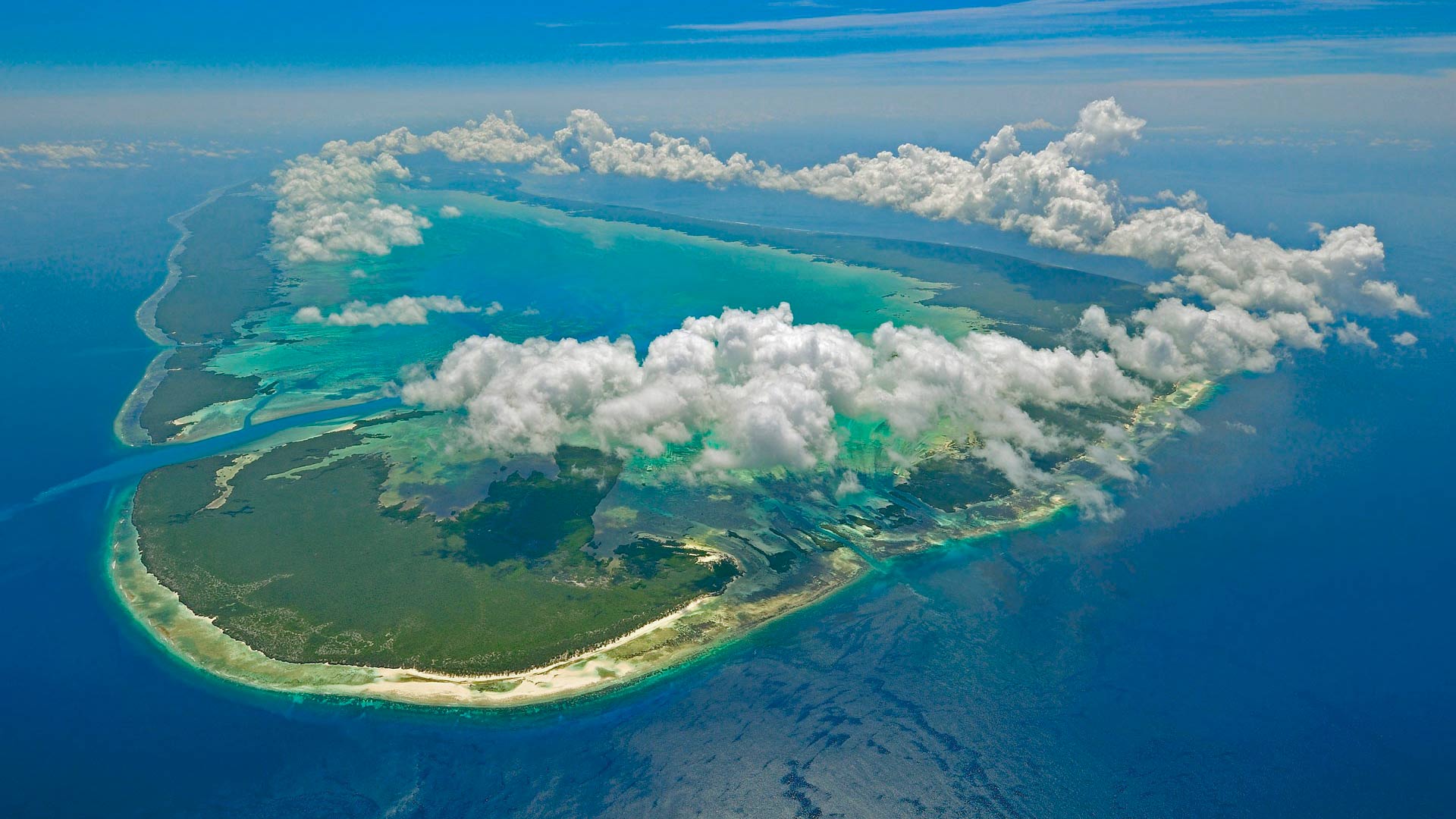
Restoring the marine jewels of humanity threatened by plastic
A new chapter is opening for Plastic Odyssey as it joins forces with UNESCO on an unprecedented mission: to restore the marine World Heritage Sites most affected by plastic pollution.
These sites are home to unique biodiversity and unexplored ecological heritage. Their increasing exposure to plastic pollution makes them a priority for action. The expedition is taking action to study, restore and protect these exceptional ecosystems. Valuable data will be brought back from these sites:
Unique scientific data, on pollution levels and conservation issues
Proven restoration protocols that can be replicated and adapted to other marine protected areas
Stories and educational tools to reconnect citizens with the ocean, educate young people and inspire them to take action and protect marine life.
World’s Marine Biodiversity
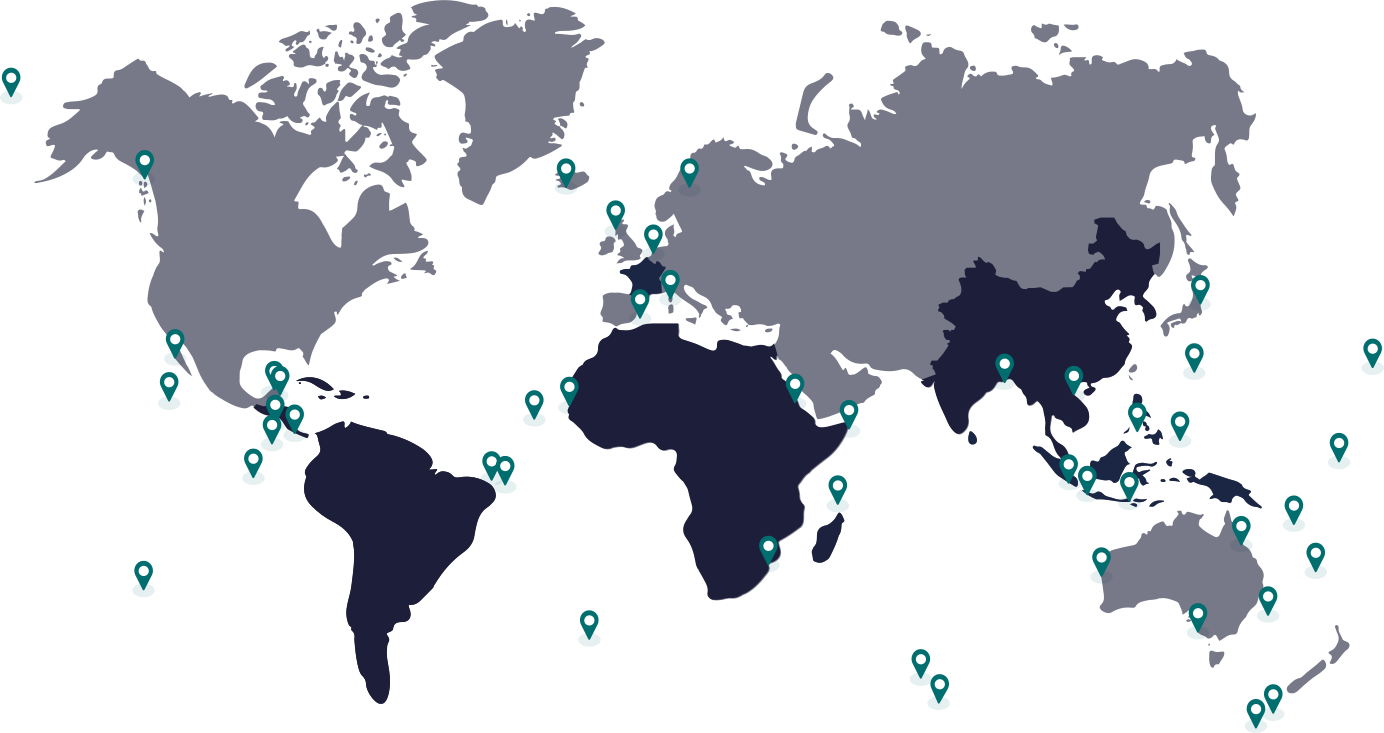
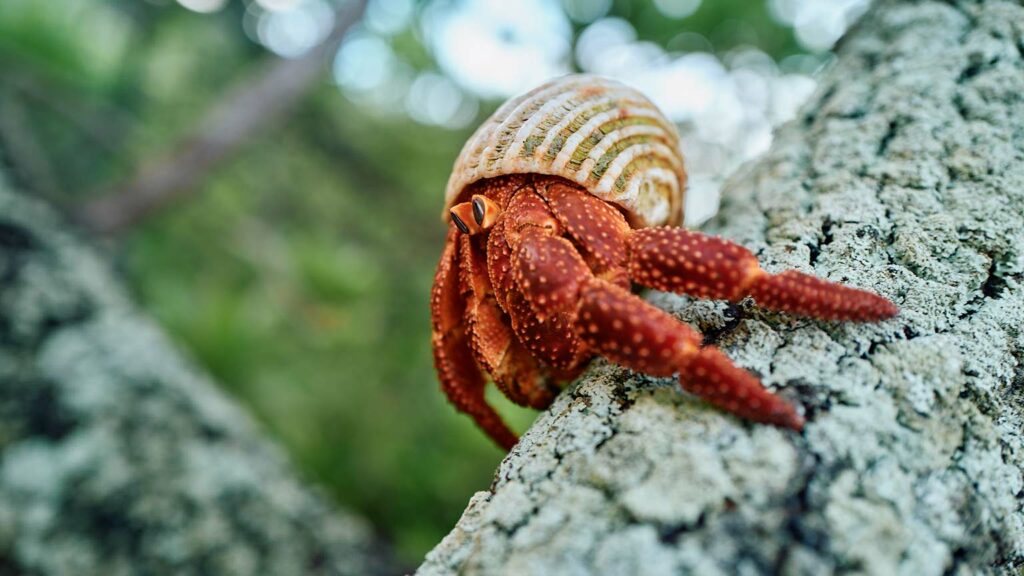
UNESCO protects 51 marine World Heritage sites. Although they cover less than 0.5% of the Earth’s surface, these sites concentrate almost 15% of the world’s marine biodiversity and store 21% of the planet’s blue carbon. These areas are vital to the balance of life on Earth.
The paradox of polluted sanctuaries
Plastic is a time bomb
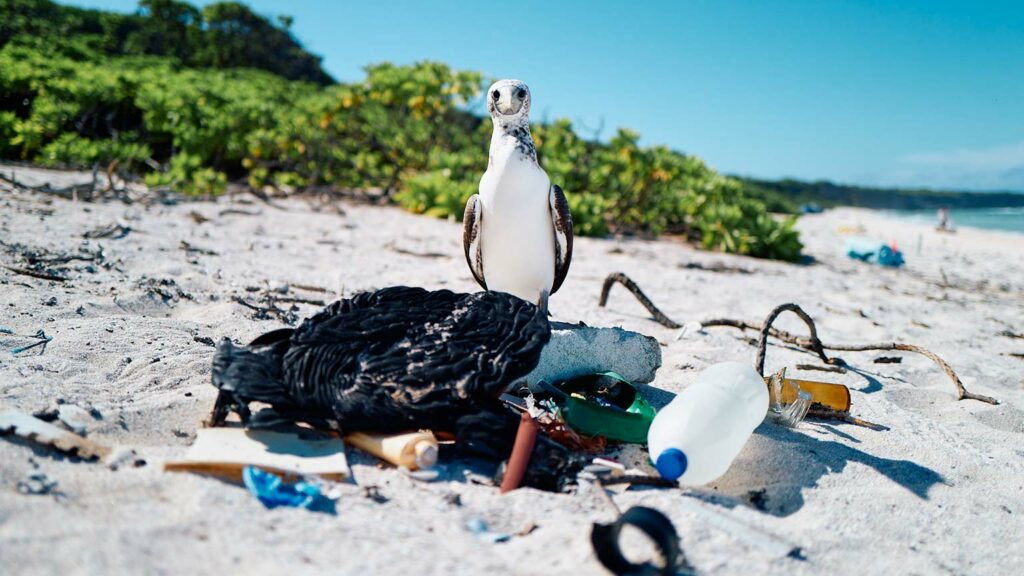
Plastic pollution infiltrates every level of marine life. As plastic fragments break down, they become invisible but even more persistent—contaminating water, sediments, and living organisms all the way up the food chain.
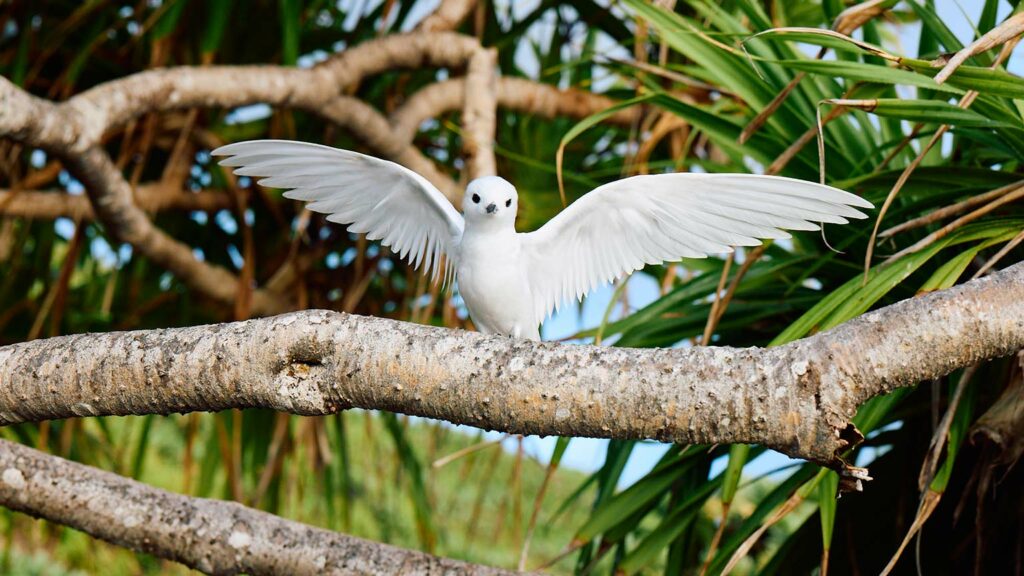
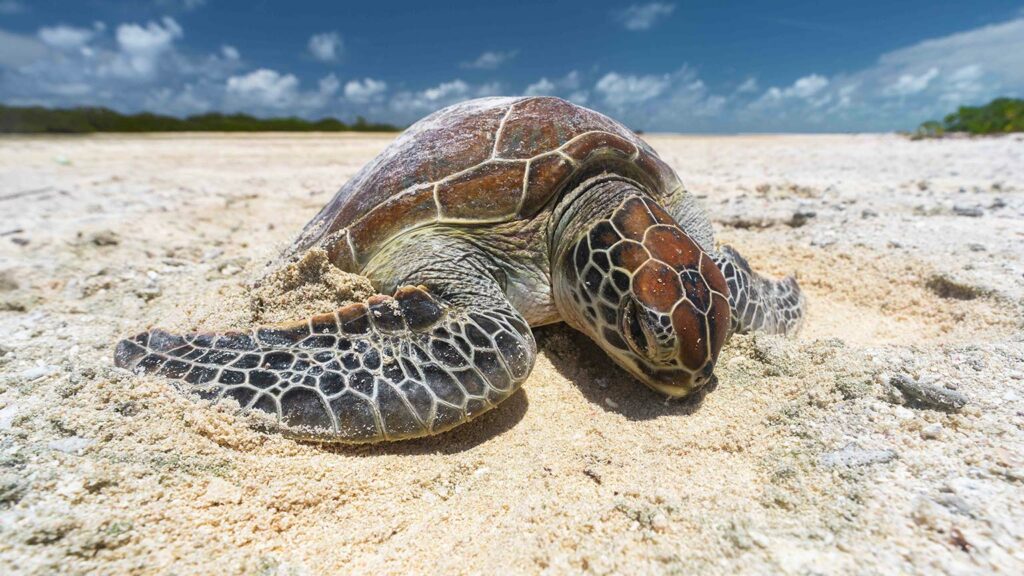
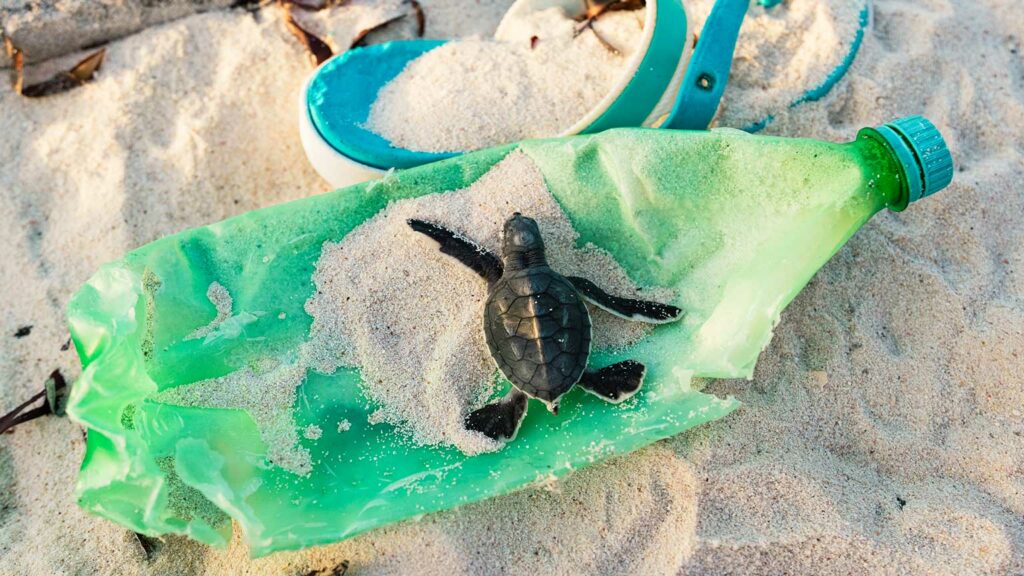
The effects have already been documented: on some beaches, microplastics in the sand can alter the temperature of turtle nests and influence the sex of newborn turtles. Corals that come into contact with plastic are up to 20 times more likely to be affected by disease. In seabirds, plastic ingestion causes organ damage and neurological disorders. By contaminating plankton, plastics affect the very basis of marine life, with cascading effects on all marine biodiversity.
Need for Action
Why restore these sites ?
Cleaning UNESCO sites to preserve life
The UNESCO World Heritage marine sites are sanctuaries of life, refuges for thousands of species, some still unknown, that provide essential services to humanity. They produce the oxygen we breathe, regulate the climate, feed millions of people and provide the molecules for tomorrow’s medicines.
Today, these areas are threatened by plastic pollution. Cleaning them up is an investment in the planet’s most precious asset.
Acting now is not only vital, it makes economic sense: removing plastic before it degrades is up to 15 times cheaper than dealing with its long-term consequences.
The Answer
A series of strategic expeditions
Plastic Odyssey and UNESCO join forces to restore the world marine sites
Plastic Odyssey is contributing its operational expertise: a laboratory ship capable of operating in the most remote areas, and clean-up and recycling techniques adapted to the terrain and tried and tested during previous expeditions.
UNESCO is mobilising its network, scientific expertise and the commitment of local communities.
The Method
Study – Protect – Inspire
Better understanding, better repair and action with local communities
The expedition is based on three complementary levers: science, on-the-ground action and dissemination. From each site, it will bring back three valuable resources: data, solutions and collective momentum.
Study
Ground-breaking scientific data, previously unexplored. This data will shed light on the real impact of plastic pollution, but also on the genetic potential of marine biodiversity, which is essential for medical research, climate balance and environmental regeneration.
Protect
Develop practical restoration methods adapted to sensitive environments that can be replicated elsewhere and implemented without disrupting ecosystems. Support local communities and implement long-term solutions.
Inspire
Powerful stories, images, testimonials and educational tools to reconnect citizens with the ocean, pass on a scientific and emotional legacy, and empower everyone to stop this pollution at its source.
Help us restore Earth’s most fragile marine sanctuaries
Support our actions
Your donation supports RESTORE, Plastic Odyssey Fund’s program for large-scale marine cleanups.
Ship operations, logistics, and scientific crew
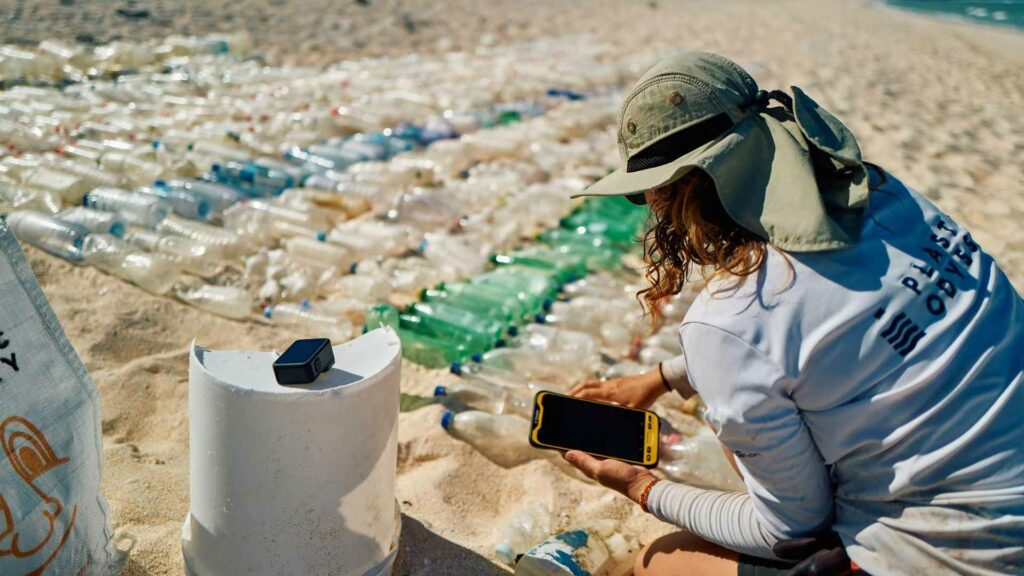
Field cleanups and waste characterization
On-board tech for recycling trials
Visual storytelling, outreach, and educational content
Your contribution fuels the broader RESTORE program—supporting urgent cleanup and restoration efforts at some of the most plastic-polluted and biodiverse marine sanctuaries on Earth.
Plastic Odyssey Fund is a registered 501(c)(3) nonprofit organization in the U.S. (Tax ID / EIN: 99-4899981). All contributions are tax-deductible to the fullest extent of the law.
Why It Matters
Because if we can protect it, we can protect so much more.
Because this is what hope looks like — in action.
This is not just a cleanup. It’s a chance to prove that nothing is too remote, too difficult, or too late to save. Join the Impossible Cleanup. Help us Save World’s Marine Biodiversity — and the future of our oceans!




 ';
view
';
view